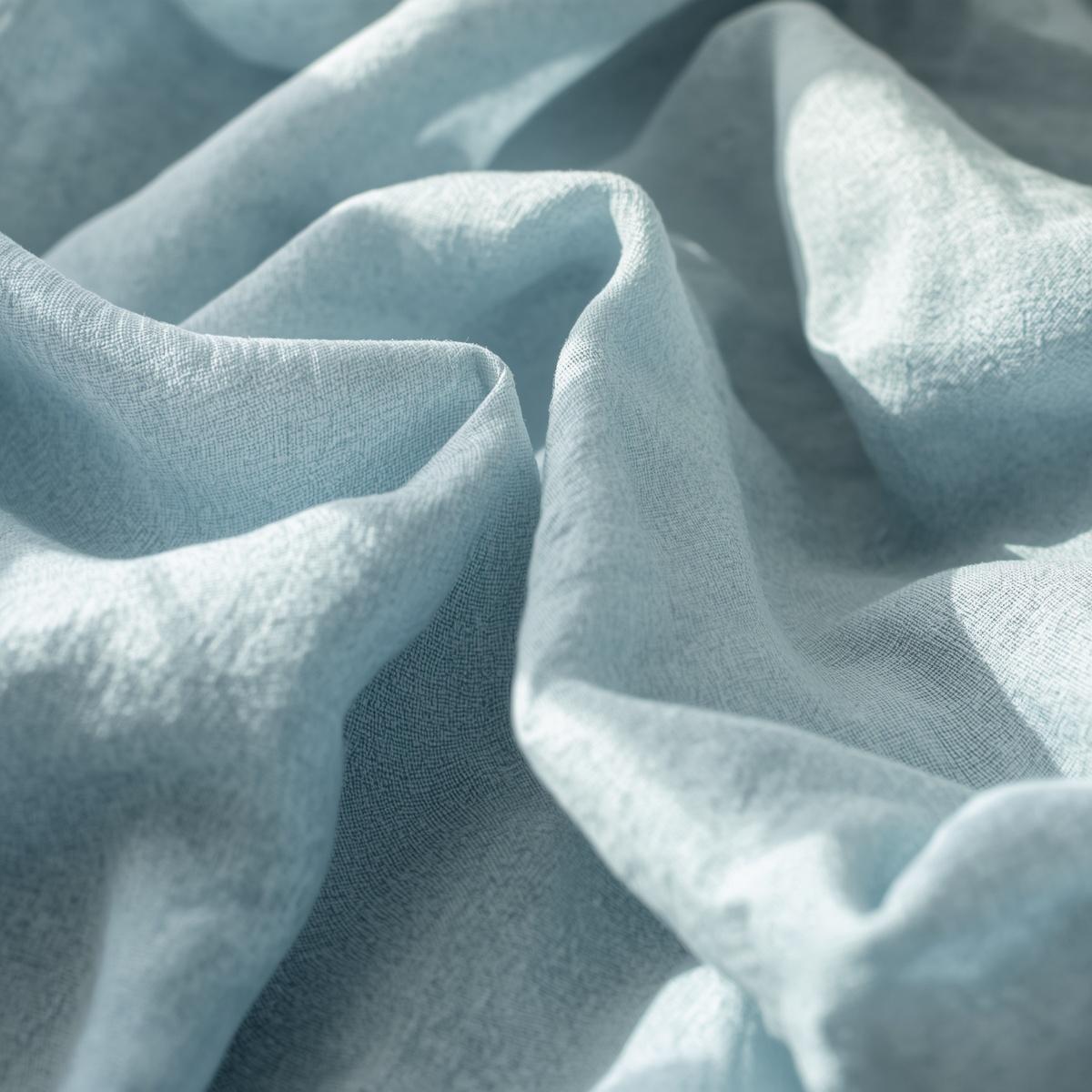
Linen is a natural textile made from the fibers of the flax plant and has been valued for thousands of years for its strength, breathability, and timeless beauty. The long flax fibers create a fabric that is both durable and naturally textured, giving linen its distinctive character. It allows air to circulate easily and feels cool against the skin, making it especially comfortable in warm climates.
Over time linen becomes softer while maintaining its strength, which is why it has remained a trusted fabric for clothing, bedding, and home textiles throughout history. Its relaxed elegance and natural structure continue to make linen one of the most enduring materials in the world of natural fibers
Stonewashed linen is linen that has been gently washed to soften the fibers and enhance the natural texture of the cloth. This process relaxes the fabric and gives it a slightly lived in appearance while maintaining the durability of flax fibers. The result is a linen that feels soft and comfortable from the first use.
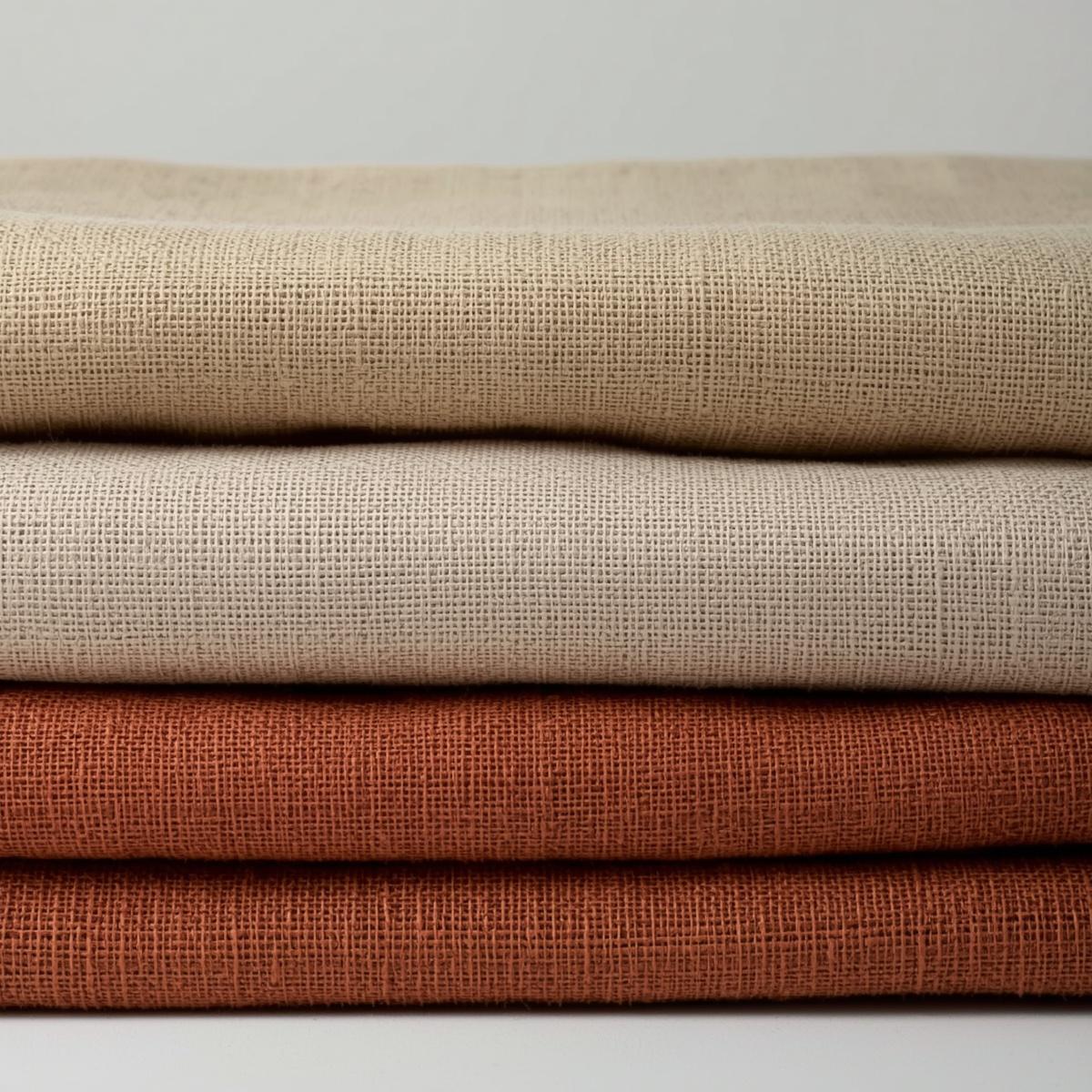
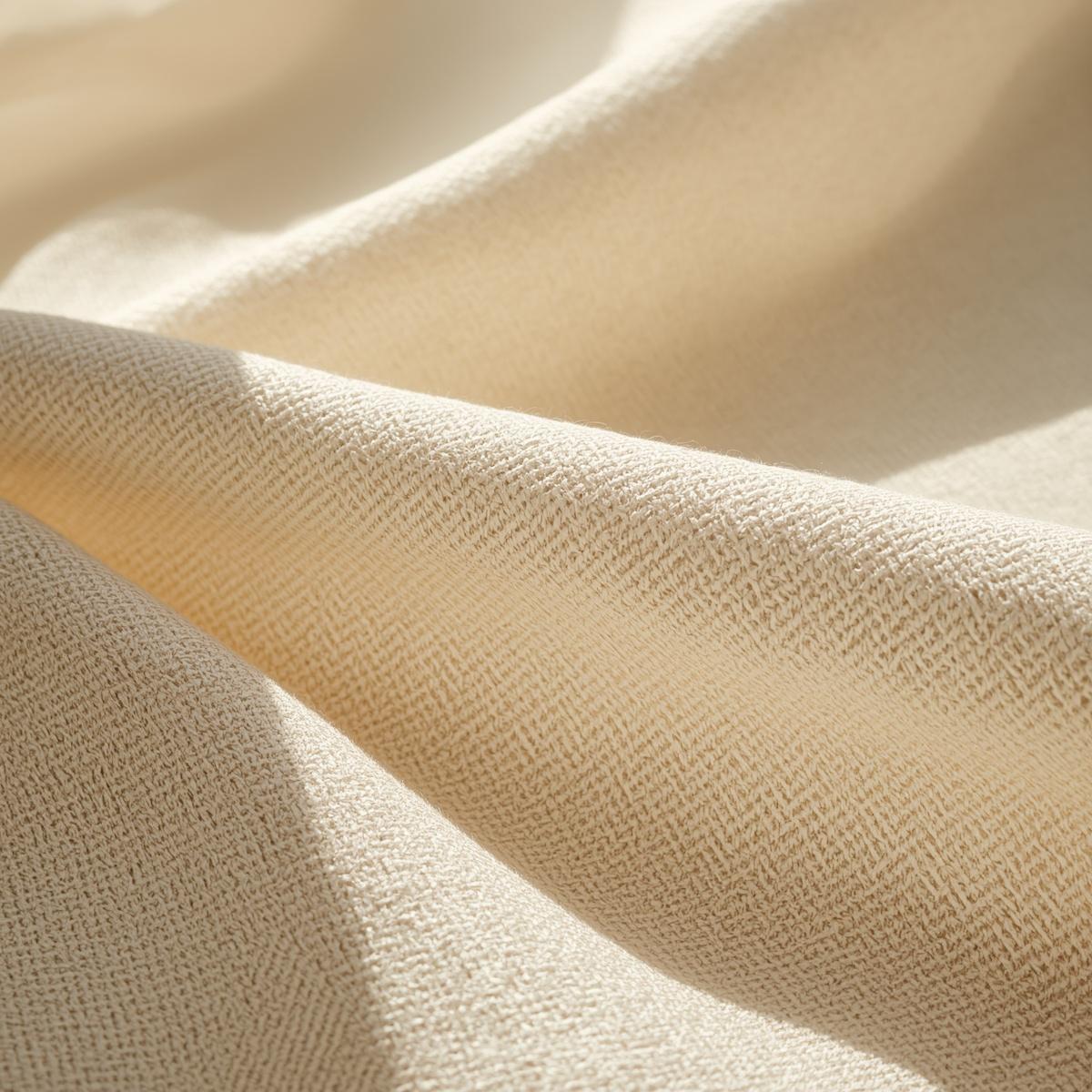
Linen canvas is a heavier and more structured linen fabric woven with a dense and durable weave. The strength of flax fibers gives the material excellent resilience, making it suitable for upholstery, bags, and sturdy household textiles. Despite its strength, linen canvas still carries the natural texture and character that define linen fabrics
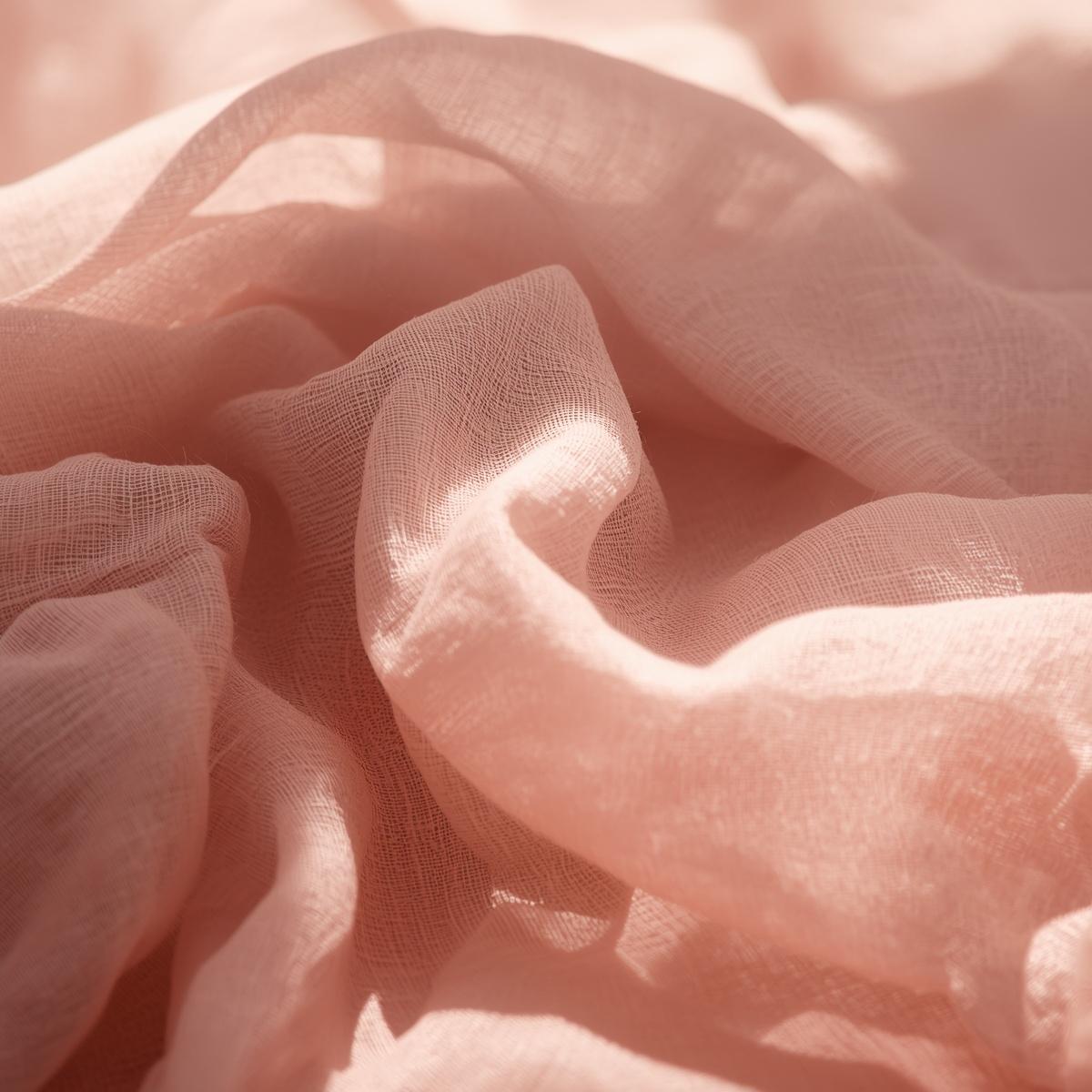
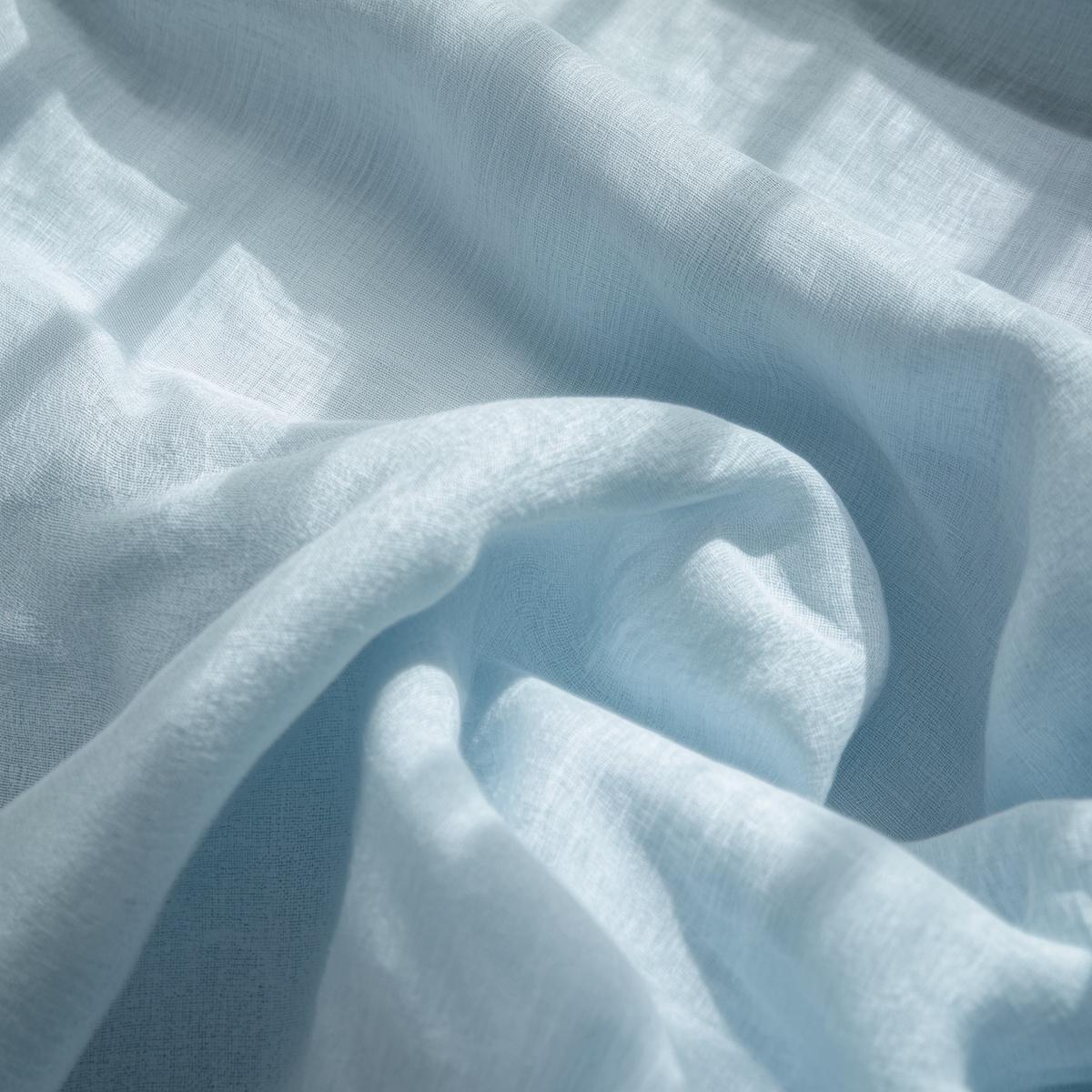
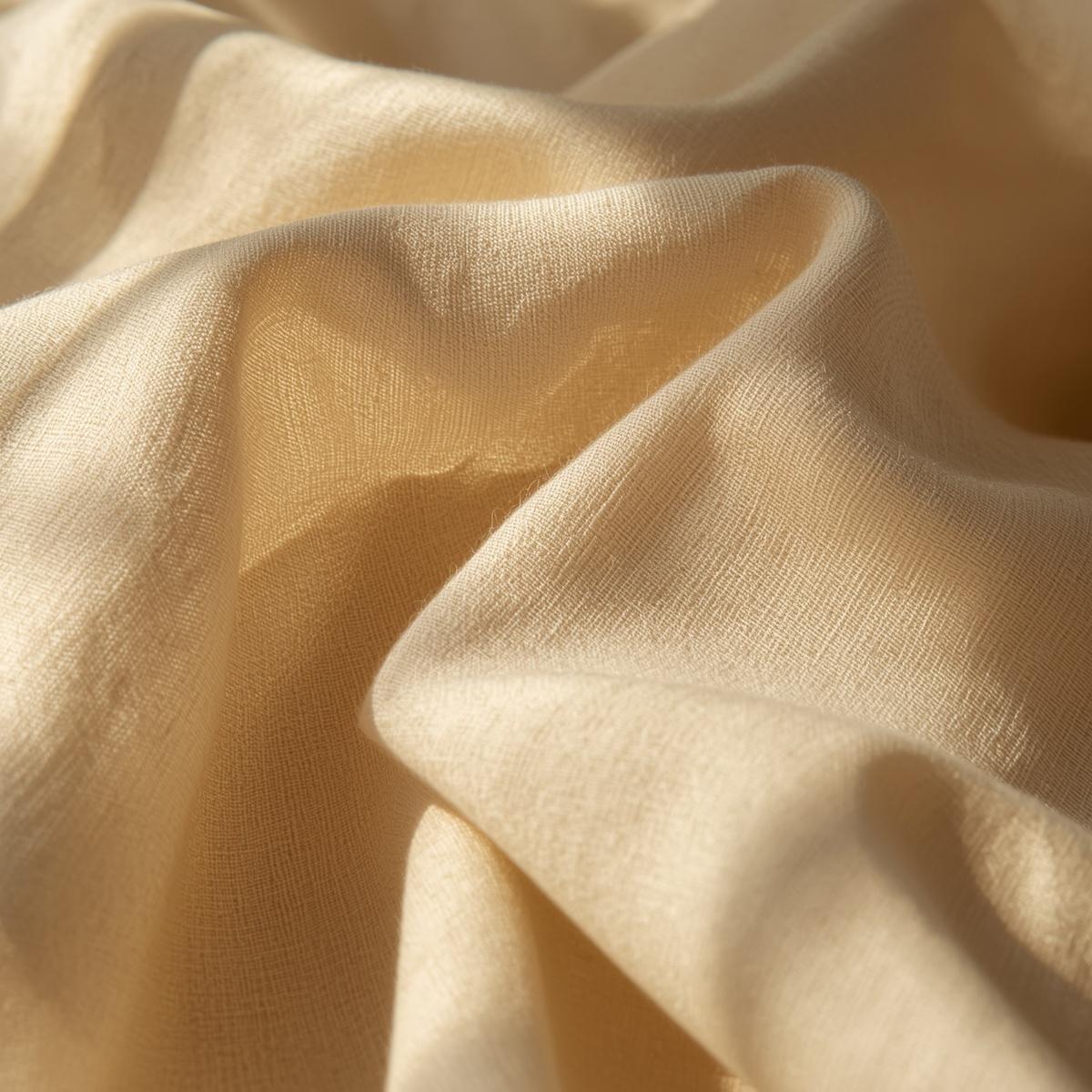
Linen gauze is a lightweight and airy variation of linen woven with a more open structure. The fabric allows air to pass easily through the fibers, creating a breathable and relaxed textile that drapes softly. Linen gauze is often used in warm weather garments and light home textiles where comfort and airflow are important.
Linen chambray is a lighter linen fabric woven with a colored thread and a lighter thread to create a soft heathered appearance. The weave produces a breathable fabric that feels relaxed and easy to wear. Linen chambray is often used in shirts, dresses, and casual textiles.
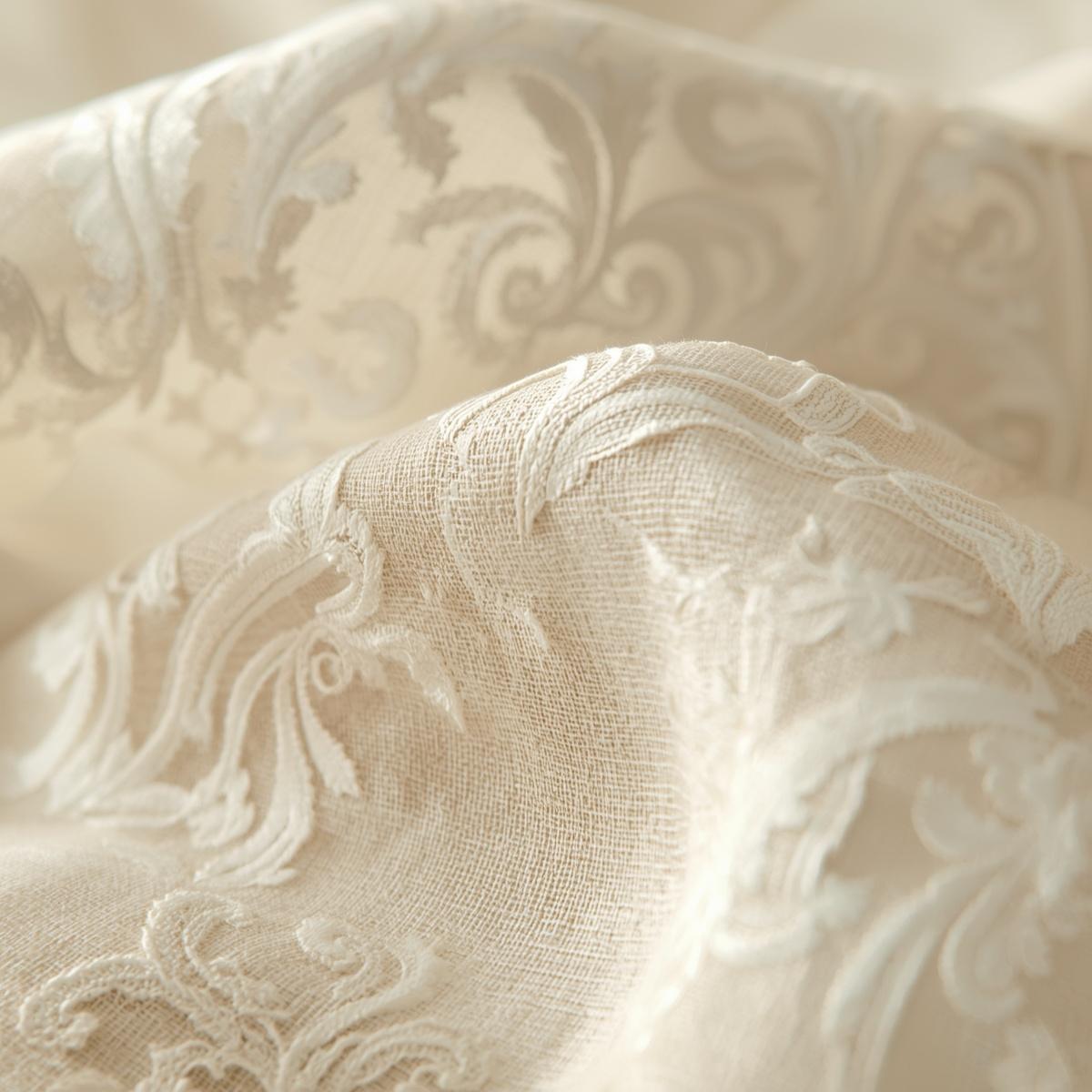
Linen damask is a decorative linen fabric woven with intricate patterns that appear subtly within the weave itself. The design is created through the weaving process rather than printing, giving the fabric an elegant and refined appearance. Linen damask has traditionally been used in table linens and formal household textiles.
Linen twill is woven in a diagonal pattern that gives the fabric strength and flexibility. The twill structure allows the fabric to drape more smoothly while maintaining the durability of flax fibers. Linen twill is often used in garments and textiles that benefit from both structure and movement.
Linen herringbone is a variation of twill in which the diagonal weave reverses direction at regular intervals, creating a subtle zigzag pattern across the fabric. The structure gives linen additional strength and texture while maintaining the natural breathability of flax fibers. Linen herringbone is often used in garments, upholstery, and refined home textiles where durability and visual interest are desired.